


The History of Citroën in the Automotive Industry
Citroën, a pioneering French automobile manufacturer, has played a transformative role in the global automotive industry since its founding in 1919 by André Citroën. Known for its bold engineering and daring designs, Citroën redefined conventional car manufacturing by introducing innovative technologies and putting user comfort and functionality at the forefront of its strategy. From the very beginning, the company positioned itself as a disruptor in a rapidly evolving mobility landscape.
Early Years: Laying the Groundwork for Innovation
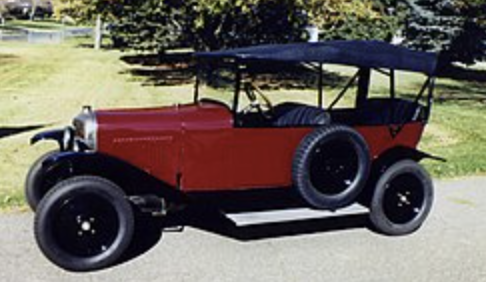
André Citroën launched the brand with a vision of producing accessible, reliable cars for a mass market—something revolutionary at the time in Europe. The company’s first model, the Type A, was Europe’s first mass-produced car. But it was the 1934 Traction Avant that truly marked Citroën as a technology leader, being the world’s first mass-produced front-wheel drive vehicle with a unitary body, setting new standards for road handling and safety. This philosophy of pushing boundaries would become core to Citroën’s identity.
Post-War Era: Iconic Models and Design Excellence
In 1948, Citroën released the 2CV, a minimalist, utilitarian car designed to mobilize rural France. Affectionately known as the "Deux Chevaux," it became a cultural icon and sold millions over several decades. The next milestone came in 1955 with the launch of the DS, a car far ahead of its time featuring hydropneumatic suspension, power steering, and futuristic aerodynamics. The DS wasn’t just a technical marvel—it was a design statement that cemented Citroën’s reputation for innovation. Throughout the 1960s and 1970s, the company continued to take bold risks, launching models like the SM and GS, while also experimenting with rotary engines and advanced suspension systems.
Strategic Shifts and Corporate Alliances
Despite its engineering brilliance, Citroën often struggled financially, leading to its acquisition by Peugeot in 1976 and the creation of the PSA Group. This merger brought stability, but also required Citroën to balance its avant-garde tendencies with commercial realities. The brand still managed to retain its unique identity, delivering quirky and characterful cars such as the BX, XM, and later the C-series range. During the 1990s and 2000s, Citroën began focusing more on comfort, style, and affordability, and while it occasionally toned down its boldness, it remained distinct within the PSA portfolio.
Embracing the Modern Era: Comfort, Technology, and Electrification
In recent years, Citroën has undergone a creative renaissance, placing comfort and user-centric design at the heart of its offerings. The introduction of the Advanced Comfort program, combined with the use of Progressive Hydraulic Cushions, reasserted Citroën’s commitment to ride quality. Models like the C4 Cactus and the Ami urban EV reflect a fresh, playful design language that appeals to new generations of drivers. Citroën has also embraced the electric mobility revolution with new EV and hybrid models that emphasize sustainability without sacrificing its core identity.
Conclusion: Citroën’s Future as a Creative and Accessible Innovator
Now part of Stellantis, Citroën continues to evolve as a challenger brand in a competitive market. Its focus on comfort, affordability, and creativity allows it to stand out, particularly in urban mobility and electric vehicle innovation. As the automotive world moves toward greener, more connected futures, Citroën is poised to lead with a spirit of inventiveness that has defined it for over a century. Its journey is not just one of engineering achievement, but of cultural impact—a brand that consistently dares to be different, and in doing so, helps shape the future of mobility.

