


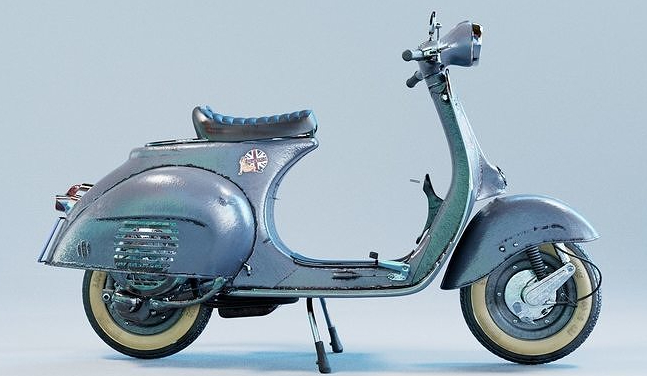
The History of Vespa in South Africa
Vespa's journey in South Africa is a vibrant narrative of style, mobility, and cultural significance. Renowned for its iconic scooters, Vespa has captured the hearts of many South Africans, becoming a symbol of freedom and urban exploration.
Early Days: Introduction to the Market
Vespa, manufactured by Piaggio, made its debut in South Africa in the 1950s. Initially imported, the scooters quickly gained popularity due to their unique design and practicality, appealing to urban commuters and young riders. Models like the Vespa 125 became synonymous with stylish and efficient transportation, perfectly suited for the bustling streets of cities like Johannesburg and Cape Town.
During these early years, Vespa developed a loyal following among South Africans who appreciated its blend of aesthetics and functionality. The brand's reputation was bolstered by its association with a vibrant lifestyle and the burgeoning youth culture of the time.
The 1980s and 1990s: Growth and Cultural Impact
Throughout the 1980s and 1990s, Vespa expanded its presence in South Africa, introducing new models and capturing the imagination of riders. The Vespa PX series became particularly popular, known for its classic design and robust performance. This era also saw the rise of scooter culture, with Vespa becoming a symbol of individuality and freedom among young South Africans.
Vespa's connection to popular culture was evident as the brand was featured in films and music, further enhancing its status as an iconic lifestyle choice. The vibrant community of Vespa enthusiasts contributed to the brand's allure, organizing rallies and events that celebrated the scooter lifestyle.
The 2000s: Revitalization and Modernization
In the early 2000s, Vespa underwent a revitalization, focusing on modernizing its product lineup while retaining its classic charm. The introduction of models like the Vespa LX and Vespa GTS showcased advancements in technology and design, appealing to a new generation of riders.
This period also saw Vespa embrace sustainability, with efforts to reduce emissions and improve fuel efficiency across its lineup. The brand’s commitment to quality and innovation helped solidify its reputation in the South African market.
Recent Developments: Emphasis on Electric Mobility
In recent years, Vespa has focused on sustainability and urban mobility solutions, aligning with global trends in eco-friendly transportation. The introduction of the Vespa Elettrica, an electric scooter, reflects the brand's commitment to reducing its environmental impact while providing stylish and efficient mobility options.
Vespa has also increased its engagement with the local community, participating in events that promote the scooter culture and encourage safe riding practices. This ongoing commitment to fostering a vibrant Vespa community enhances the brand's legacy in South Africa.
Conclusion
Today, Vespa is celebrated as a leading scooter brand in South Africa, known for its unique design, performance, and cultural significance. The brand's history is characterized by resilience, adaptability, and a deep connection with its riders.
As urban mobility continues to evolve, Vespa is well-positioned to embrace new challenges and opportunities. Through a focus on sustainability, innovative technology, and a commitment to the scooter lifestyle, Vespa's journey in South Africa exemplifies its enduring appeal as a symbol of freedom and style on the road.

