

South Africa's new vehicle market recorded its strongest February performance since 2013, driven by an improving domestic economic environment, though the industry faces mounting pressure from a sharp decline in exports and looming increases in the cost of ownership.
According to data released by naamsa | The Automotive Business Council, aggregate domestic sales reached 53 455 units in February 2026. This represents an increase of 5 461 units, or 11,4%, compared to the same month last year.
The industry body attributes the growth to a combination of stabilizing local factors. "Strengthening credit extension, moderating inflation, fiscal consolidation credibility, and incremental logistics reform have collectively underpinned domestic demand conditions," naamsa noted in its latest review.
Passenger car sales led the charge, totalling 37 576 units for an 11,3% year-on-year increase. The light commercial vehicle (bakkie) segment also saw strong demand, with sales rising 11,9% to 13 218 units. The car rental industry accounted for 11,5% of passenger vehicle sales, a steady indicator of recovery in tourism and business travel.
However, the robust local performance was contrasted by a steep fall in exports. Export sales dropped by 28,1% to 24 221 units, a loss of 9 463 vehicles compared to February 2025. naamsa cited intensifying global pressures for the decline, including "heightened protectionism across several of South Africa’s key export markets" and "increasingly stringent decarbonisation requirements" that are affecting the competitiveness of locally produced vehicles.

Can I afford it – find out with this handy Finance Calculator
Consumer Sentiment and the Cost of Ownership
While market conditions are supportive, with headline inflation cooling to 3,5% in January, analysts point to emerging headwinds that could temper growth. Lebogang Gaoaketse, Head of Marketing and Communication at WesBank, says buyers are approaching the market with a sharp focus on the bottom line.
"Consumers remain highly sensitive to monthly instalments, deposit requirements and loan terms," says Gaoaketse. "Affordability and certainty are really driving purchasing decisions right now. We're seeing that buyers are prioritising long-term value and manageable ownership costs, rather than non-essential upgrades. They are coming in with a clear budget and a clear intent."
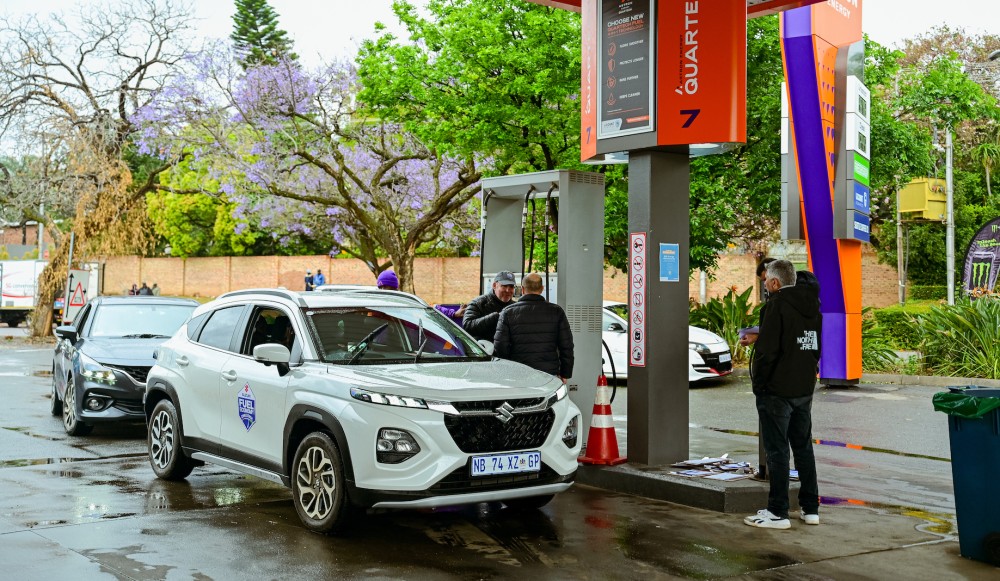
This cautious optimism will be tested in the coming months. The 2026 Budget confirmed a series of fuel levy increases effective from April 2, which will raise the cost of petrol and diesel. These domestic adjustments coincide with heightened geopolitical tensions in the Middle East that have pushed Brent crude oil above US$80 per barrel, adding further risk to the fuel price outlook.
"The February results suggest the domestic market is on firmer ground," Gaoaketse added. "Demand is resilient, but it's increasingly value-driven. Our data shows that consumers are approaching purchases with more intent, prioritising affordability and long-term cost certainty over short-term decisions."
Toyota Maintains Dominance

Starting or running a small business and in need of a bakkie – click here
Toyota South Africa Motors (TSAM) extended its market leadership in February, selling 12272 vehicles to secure a 23% share of the domestic market. The Hilux remained the country's top-selling bakkie with 3 362 units moved, holding a 25 .5% share of the LCV segment. The Corolla Cross was the standout passenger model with 1 022 units.
Leon Theron, Senior Vice President of Sales and Marketing at TSAM, says the results reflect the brand's alignment with current market needs. "Our performance is a testament to the trust South Africans place in our vehicles across every segment, from passenger cars to commercial workhorses," says Theron. "We are focused on delivering the quality and durable mobility solutions that South Africans rely on every day."
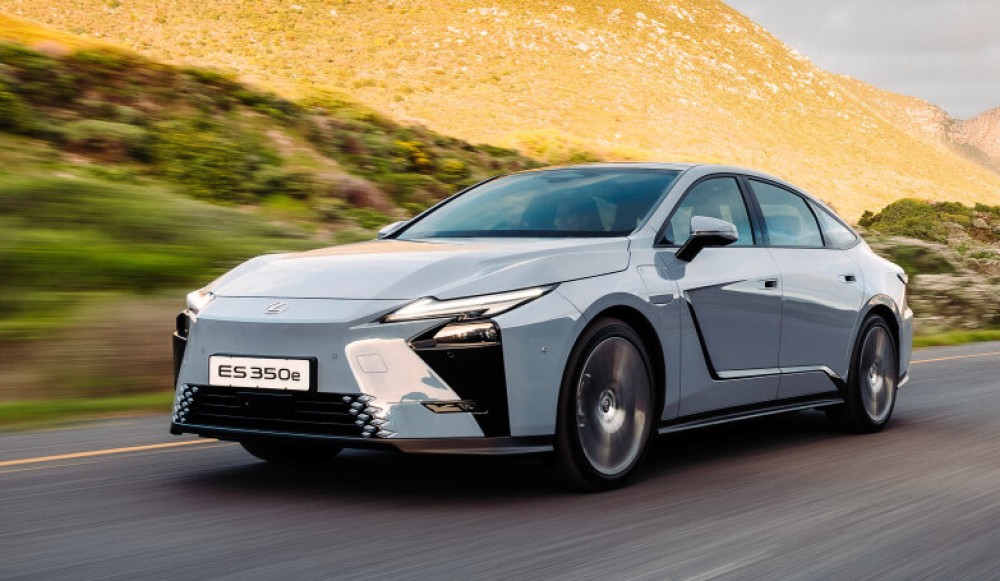
A notable highlight for the brand was the performance of its luxury arm, Lexus, which sold 125 units. This included nine units of the newly launched Lexus RZ, the brand's first fully battery-electric vehicle (BEV) for the local market, signalling a nascent but growing interest in premium electric mobility.
Outlook
Looking ahead, the industry faces a delicate balancing act. While moderating inflation and the prospect of further interest rate cuts provide a supportive backdrop, rising fuel costs and persistent global trade uncertainty will need to be carefully navigated. Sustained growth in the domestic market will depend on preserving consumer affordability and providing policy clarity in an increasingly complex operating environment.
Colin Windell for Colin-on-Cars in association with
proudly ALL THINGS MOTORING

