

In South Africa's diverse market, where we get a mix of models designed for Europe, Australasia, Asia and even global ‘one-tonner’ pick-ups tested specifically for our region, vehicle safety ratings come from different rulebooks. Understanding the difference between Euro NCAP, ANCAP, and ASEAN NCAP is crucial to knowing exactly what you're buckling into on our uniquely challenging roads.
While all three programmes use a star rating system (0 to 5 stars) based on crash tests, their testing protocols and emphases differ, reflecting regional driving conditions and legislative maturity.
Great insurance is as vital as safe driving – click here to find out more
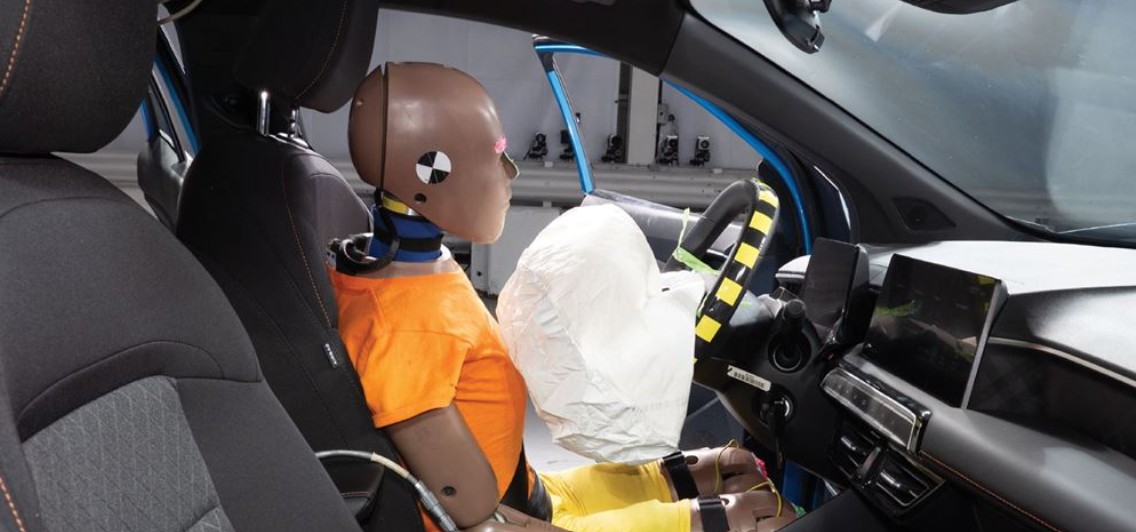
Euro NCAP (European New Car Assessment Programme): The gold standard and often the most stringent. It's known for continuously raising the bar. Its latest protocols are brutally comprehensive. It heavily prioritises Adult Occupant Protection, Child Occupant Protection and, increasingly, Vulnerable Road User (VRU) protection (pedestrians and cyclists). Its Safety Assist category is aggressive, mandating advanced tech like autonomous emergency braking (AEB) that detects cars, pedestrians, cyclists and even motorcycles for a top score. Think of it as the holistic, tech-forward academic.
ANCAP (Australasian New Car Assessment Programme): Largely aligned with Euro NCAP. Since 2018, ANCAP has harmonised its testing with Europe. So, a car tested in Europe for Euro NCAP can often carry over its rating to ANCAP and vice-versa. The key difference? ANCAP sometimes publishes ratings ahead of Euro NCAP for models sold in our region (like many bakkies). Its standards are, for all intents and purposes, identical to Europe's in terms of crash severity and tech requirements. It's Euro NCAP's southern hemisphere cousin.
ASEAN NCAP (ASEAN New Car Assessment Programme): Designed for the Southeast Asian market, its protocols, while improving, are generally less demanding than Euro/ANCAP's. Crash test speeds (eg, frontal offset) can be lower. Historically, it placed a stronger emphasis on Adult Occupant Protection and Safety Assist, but with less rigorous tech requirements for top scores. It has been crucial in lifting base safety standards in a price-sensitive region. Think of it as the pragmatic regulator, pushing for incremental but vital improvements.
THE SA SHOWROOM: MAKES, MODELS, AND THE RATING REVELATION
Let's apply this to metal you can buy at your local dealership.
1. The Euro/ANCAP Elite (Mostly European & Global Passenger Cars):
These models are developed for Western markets,and their ratings are interchangeable.
Crunch the numbers by using this handy Finance Calculator
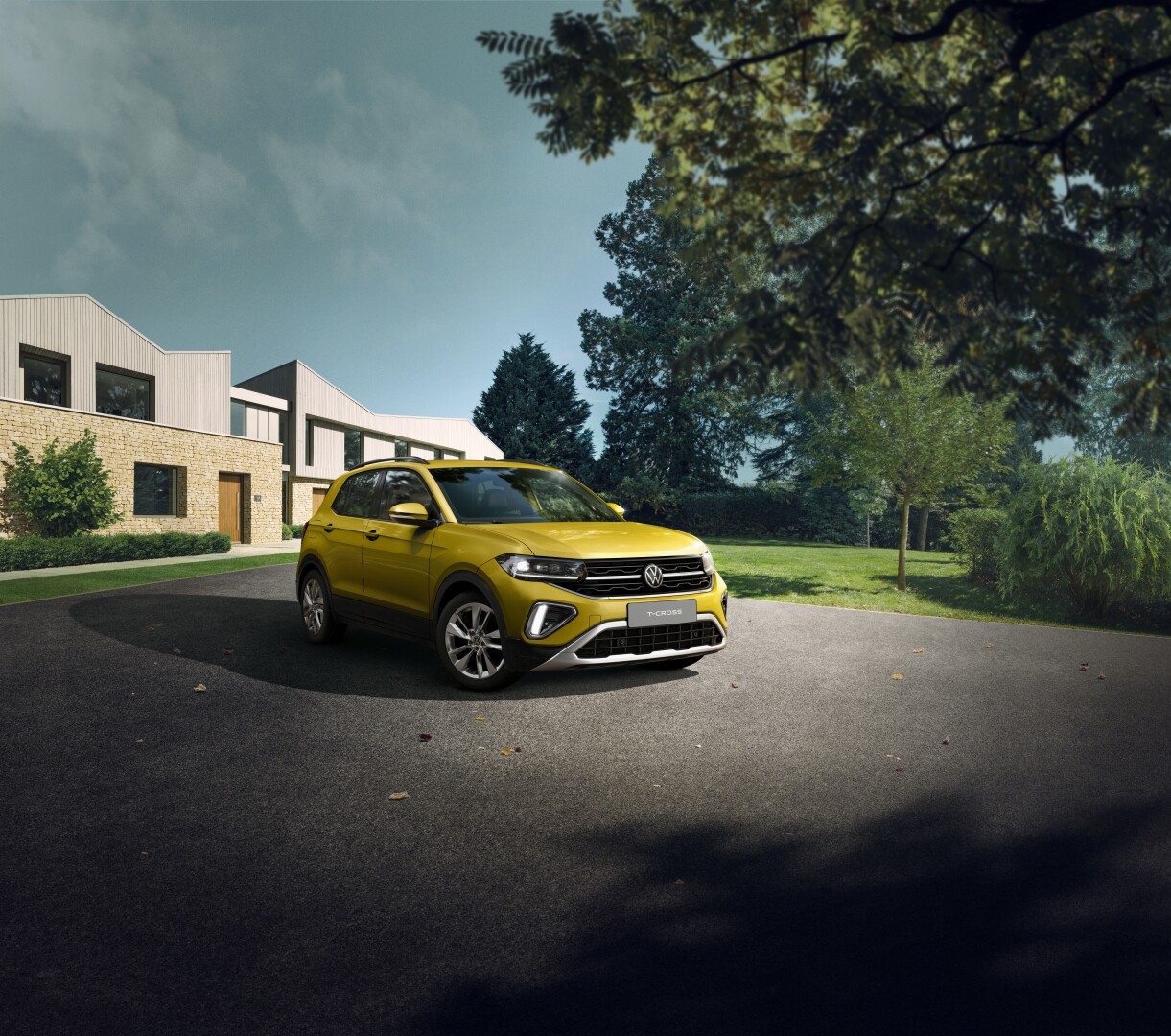
Volkswagen T-Cross 1.5 TSI Life: Advertises its Euro NCAP 5-Star (2019) rating. This rating demands good all-round protection and a suite of AEB. In SA, this spec includes Front Assist (AEB) and Lane Assist as standard, meeting the Euro test criteria.
· BMW 3 Series (G20): Launched with a Euro NCAP 5-Star (2019) rating, acing tests with a 97% score for Adult Occupant protection. Its sophisticated camera/radar systems are designed to pass the complex Euro NCAP VRU and Safety Assist tests.
· Toyota Corolla Cross: Carries an ANCAP 5-Star (2021) rating. As a global model, it was tested under the harmonised ANCAP (Euro) protocol. In SA, higher specs include the full AEB system, but base models may lack some of the tech required for the original top score.
2. The ANCAP-Only Champions (The Bakkie Battle):
This is where it gets interesting for SA.Our beloved double-cabs are often engineered for global emerging markets and tested separately by ANCAP.
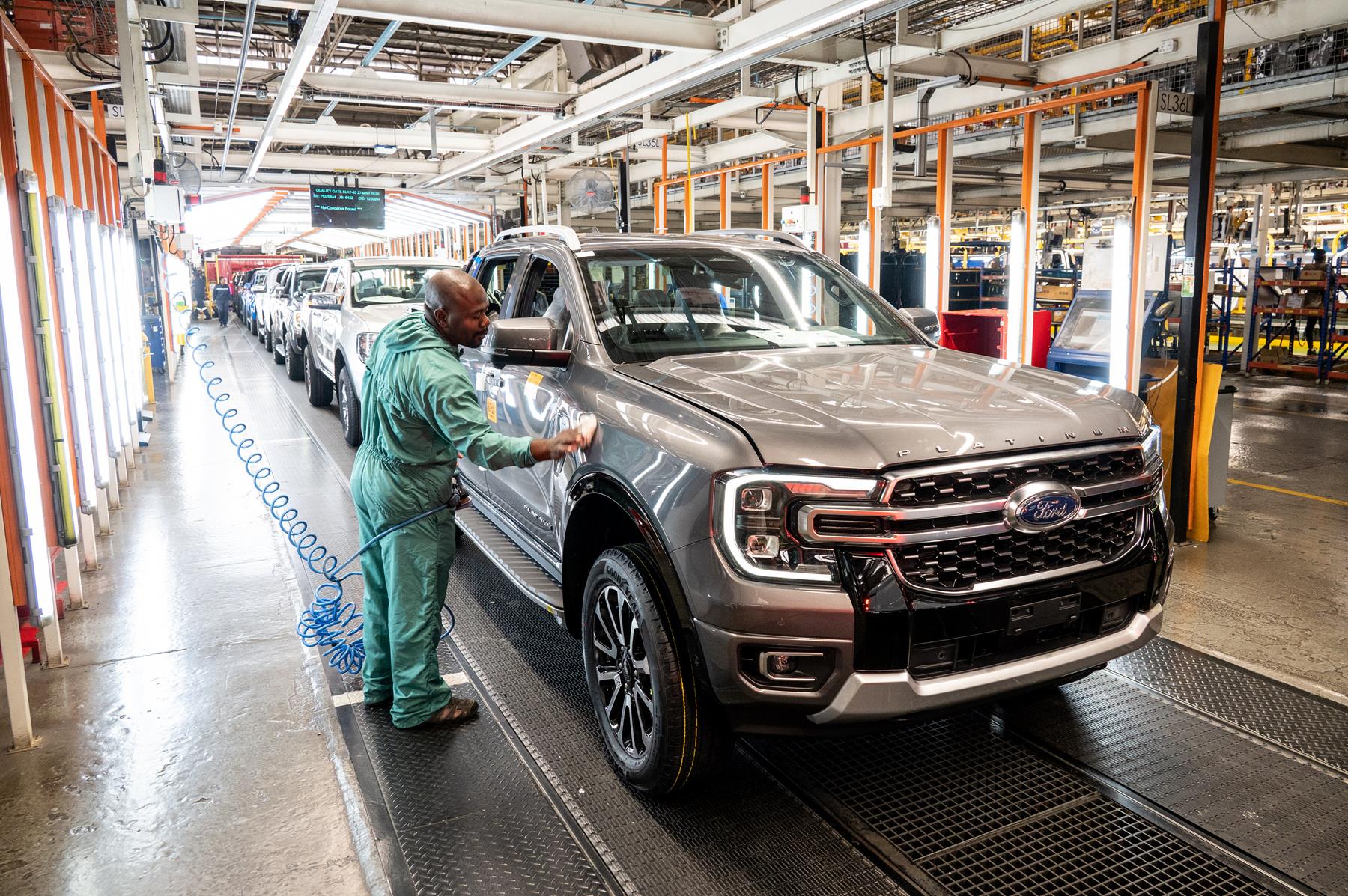
· Ford Ranger (Next-Gen) / Volkswagen Amarok: These twins proudly wear the ANCAP 5-Star (2022) badge. This is a huge selling point. To achieve this, they had to meet the full, harmonised Euro/ANCAP standards, including demanding frontal offset and side-impact tests, and advanced AEB. This rating makes them stand out in the bakkie segment.
Isuzu D-Max: This has an ASEAN NCAP 5-Star (2020) rating. While still a good score, it is based on less severe crash tests and less stringent safety assist requirements than the ANCAP test the Ranger underwent. This highlights the stark difference between the two ‘5-star’ ratings in the same vehicle class.
Starting or running a small business and in need of a bakkie – click here
3. The ASEAN NCAP Contingent (Budget & Entry-Level City Cars):
Many affordable hatchbacks sold in SA originate from or are also sold in ASEAN regions.
Suzuki S-Presso / Hyundai Grand i10: Both models sparked controversy in SA. It holds an ASEAN NCAP 2-Star (2019) rating. Under ANCAP or Euro NCAP, it would likely score zero. It highlights how a model can be marketed with a safety rating that, while legal, comes from a less demanding regime. Its lack of standard crash bags (in base form) and basic structure would be heavily penalised elsewhere.
· Toyota Vitz/Yaris (Previous Gen): Often achieved ASEAN NCAP 4 or 5-Star ratings, which provided reassurance for that market. However, equivalent models tested earlier under Euro NCAP often scored lower, demonstrating the protocol gap.
Looking for a safe car for a student then click here
While applauding the efforts of the Automobile Association to raise the bar in terms of vehicle safety, it simply is not economically feasible to insist every car sold locally must be Euro NCAP 5-star rated – it would simply raise the selling price well beyond the means of thousands of consumers.
Of singlular greater importance is massively uplifting road safety awareness among road users. Our crash stats are truly horrible and in the decaying society in which we live, the only laws that appear to be enforced are things like speeding that generate revenue.
Potholes are moon-sized craters, traffic lights do not work and a legion of drivers (not only taxis) firmly believe they are exempt from any type of law – usinng left or right turn only lanes to bypass traffic, ignoring red lights, clogging the emergency lane on the highway and it goes on…..and on!
AARTO will not do anything to fix this. The way it is written is simply as a revenue gatherer.
Need finance – click here for the very best finance deals for your new car
The Automobile Association needs to upscale its efforts to along with organisations such as OUTA and the Road Safety Foudation to get road safety as a mandated subject in every school in the country, get municipalities to get roads and traffic lights fixed, concentrate on road abusers.
If fleet owners put effort – and there are many corporates that do – into instilling road safety into their drivers and we can bring the crash rates down, this will balance a complex equation.
I have driven both the Hyundai Grand i10 and Suzuki Spresso and both are solid, well-engineered entry-level vehicles that do the job they were designed for rather well. There is nothing wrong with them, or any of the other cars in this category.
An overall improvement in road safety would neatly mitigate the lower level of built-in safety measures and, really, road safety is your responsibility as well.
Colin Windell for Colin-on-Cars in association with
proudly CHANGECARS

