


The Chery Tiggo 7 Pro Max PHEV is a genuine disruptor in the plug-in hybrid family SUV segment and Chery has come out swinging with a value-packed alternative that challenges the status quo. The company’s message is clear: why settle for the usual suspects when you can have a high-tech, well-equipped SUV that prioritizes electric driving and does not require you to empty your savings account?
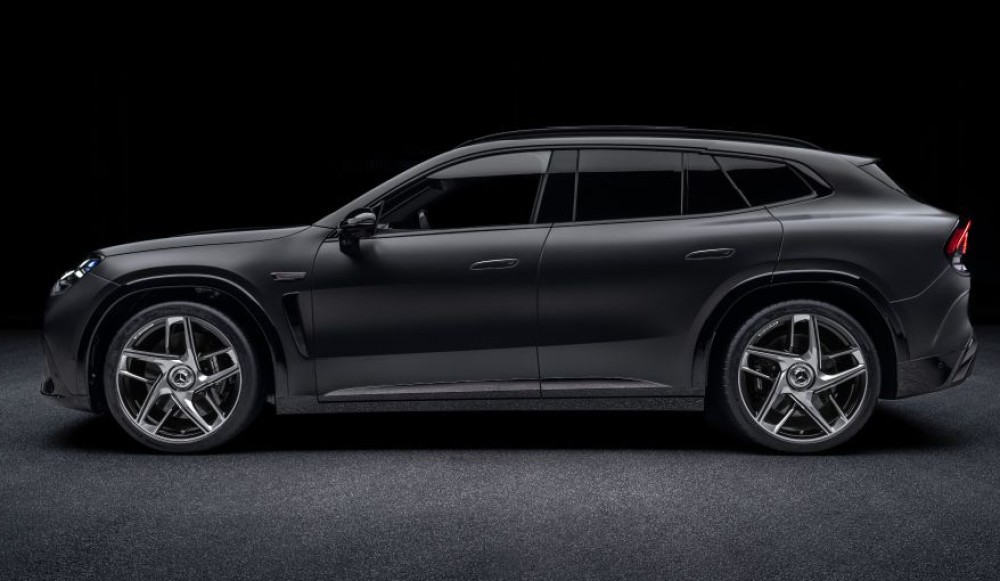
The Tiggo 7 Pro Max PHEV certainly makes a strong first impression. It has got a bold, assertive design—muscular proportions, sharp lines and a front end that wears its confidence on its sleeve.

A great selection of Chery Tiggo 7 Pro models can be found here
Inside the centrepiece is a sweeping 24,6-inch curved display that stretches across the dashboard, seamlessly merging the instrument cluster and infotainment system. It is not just for show either—this screen is the hub for everything from navigation to entertainment to vehicle settings, helping the Chery feel modern and up-to-date alongside much more expensive rivals.
When it comes to interior quality, Chery has clearly tried to strike a balance between comfort and cost. You will find plush, soft-touch materials in all the places your hands and elbows naturally rest, giving a sense of premium-ness where it really counts. Dig a little deeper, though, and you will come across some harder plastics—especially lower down—which serve as a gentle reminder of the car’s aggressive pricing.
Space is one area where the Tiggo 7 PHEV really shines. There is generous legroom in the back, so even taller passengers can stretch out without needing to fold themselves into origami shapes.
The boot is more than adequate for everyday life—groceries, backpacks, sports gear, and the inevitable school projects all fit in with ease.

Can I afford it – find out with this handy Finance Calculator
The real headline act, though, is the powertrain. Under the bonnet sits a 1,5-litre turbo-charged petrol engine paired with not one, but two electric motors, all drawing energy from a sizable battery pack. Chery’s combined power output is a healthy 240 kW and 545 Nm of torque, which translates to brisk acceleration and confident overtaking ability.
For most day-to-day driving, you will be gliding along in pure electric mode—quiet, efficient and with zero tailpipe emissions. Chery claims up to 75 km on electric power alone, although real-world conditions (traffic, aircon, and driving style) will see you closer to 60 km.
That is still more than enough for the average South African daily commute or a round of school runs, provided you remember to plug it in overnight. Charging from a standard wall box takes around 6-8 hours, making it easy to top up while you sleep.
Out on the road, the Tiggo 7 Pro Max PHEV impresses with its smoothness and refinement. Around town, it is near-silent under electric power, and the instant torque from the electric motors means it is eager off the line—no frustrating delay when you need to dart into a gap in traffic.
When the petrol engine does join in, it is noticeable but not intrusive—certainly quieter and more refined than many similarly priced rivals. The focus here is on comfort rather than sportiness: the suspension does a commendable job of smoothing out potholes and rough surfaces and the cabin remains a relaxing place to be.
Push hard through corners and there is some body roll, while the steering is light but does not offer much feedback. It is clear this car is designed for relaxed, everyday driving, not carving up mountain passes—and that is exactly what most families want.

Bumper bashings or break-ins – for the best insurance deal click here
On the highway, the hybrid system seamlessly manages power sources, using the petrol engine to maintain battery charge and assist with cruising. The official fuel consumption figure is 1,5 l/100 km, but that is achievable only with a fully charged battery and a gentle right foot. Once the battery is depleted, expect figures closer to 6,5 l/100 km to 7,5 l/100 km over longer distances.
One of the Tiggo 7’s biggest trump cards is its equipment list. Chery has not held back: you get a panoramic sunroof that floods the cabin with light, a punchy Sony sound system, wireless phone charging, ventilated seats and a full suite of advanced driver assist features, including adaptive cruise control, lane-keep assist and automatic emergency braking.
It is a level of tech normally reserved for far more expensive vehicles. Some of it can be a bit overzealous—the lane assist, for instance, can feel a bit too eager to nudge you back on course and the touchscreen interface, while visually impressive, occasionally makes you jump through unnecessary hoops for basic functions such as adjusting the fan speed.
The most compelling reason to consider the Chery Tiggo 7 Pro Max PHEV in South Africa is its pricing. Chery has gone for the jugular, undercutting not just other plug-in hybrids but even many conventional petrol SUVs with similar equipment.
For buyers with a consistent daily routine and access to home charging, the running costs could be impressively low—especially with rising fuel prices. The Tiggo 7 PHEV is at its best in suburban and urban environments where you can make the most of its electric range.
The main question is whether South African buyers—long used to the reliability and reputation of established brands—are ready to take a chance on something new. If they are, the Chery Tiggo 7 Pro Max PHEV could be a game-changer, offering a compelling mix of technology, efficiency, and value that is hard to beat in today’s market.
Colin Windell for Colin-on-Cars in association with
Proudly ALL THINGS MOTORING

