


As South Africa's commercial vehicle sector navigates the shift towards electric mobility, the question of driver preparedness has emerged as a critical factor that could determine whether electrification delivers on its promised returns. MasterDrive will take this message to the FNB WesBank EVolution Conference, where the driver training specialist will present on the fundamental differences between operating internal combustion engine vehicles and their electric counterparts.
The presentation comes at a time when electric vehicle adoption in South Africa is gaining measurable momentum. According to naamsa, EV sales reached 3 487 units in the first quarter of 2025, climbing to 4 585 units in the same period of 2026.
Government initiatives, including tax incentives for local EV manufacturing and the expansion of charging infrastructure, have created an environment where fleet operators face increasing pressure to consider electrification.
Looking for a safe car for a student then click here
"We are seeing policy, incentives and manufacturing timelines aligning in the same direction," says Andisiwe Nikelo, CEO of WesBank Fleet Management and Leasing. "That changes the calculation for any fleet operator asking whether this is the right time to act."
Yet MasterDrive argues one element of the transition has received insufficient attention. The company's CEO, Eugene Herbert, points to the behavioural adjustments required when moving from traditional vehicles to EVs, noting that drivers must effectively unlearn habits developed over years of operating internal combustion engines.
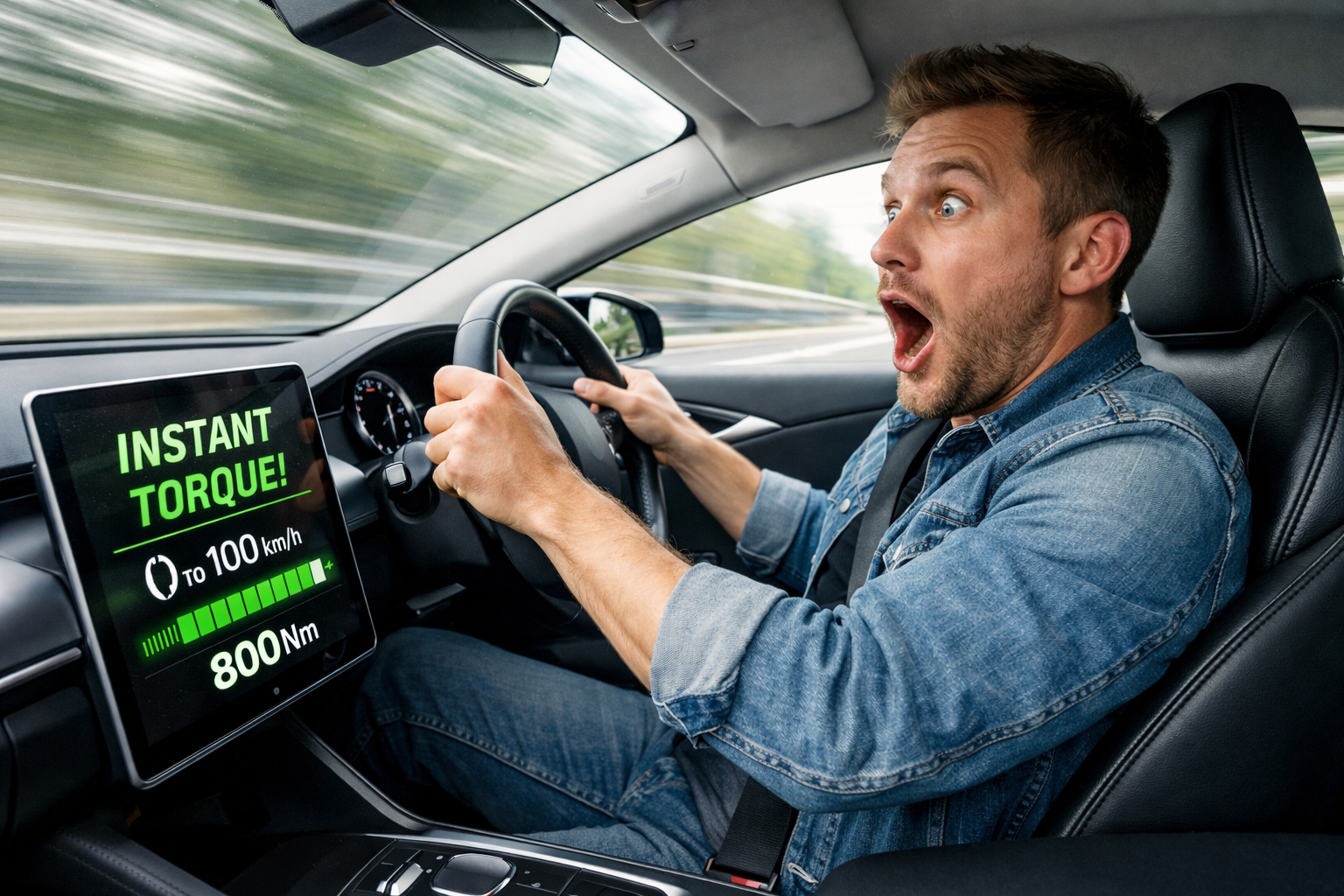
The instant torque delivery of electric vehicles alters acceleration dynamics from a standing start, while regenerative braking systems change braking patterns and safe following distances.
Great insurance is a safety net you really need – click here to find out more
The near-silent operation of EVs presents a further safety consideration, particularly for pedestrians who may no longer hear approaching vehicles. Combined with the high-voltage systems inherent to electric vehicles, these factors create a risk profile that untrained drivers may underestimate.
For fleet operators, the implications extend beyond safety. Driving style directly affects battery range, charging frequency, tyre wear, brake consumption and overall operating costs. An undertrained driver, MasterDrive contends, does not merely present a safety risk but actively diminishes the financial returns a fleet expects from its EV investment.
MasterDrive has developed an EV Driver Programme specifically designed to address this gap. The company describes the initiative as a uniquely South African advancement program, developed through research and collaboration with international partners who have navigated similar transitions in their respective markets.
While the programme incorporates best practice standards from multiple countries, it has been tailored to suit South African fleets and their specific operational circumstances. The company emphasises that the training addresses both the technical aspects of EV operation and the behavioural changes required for safe, efficient driving.
The conference will feature a CEO Challenge, where company leaders compete to extract maximum range from electric vehicles. MasterDrive describes the exercise as a practical demonstration of how driving technique influences vehicle performance, reinforcing the message that how you drive an EV matters as much as which EV you drive.
The broader conversation around fleet electrification has shifted from whether to when, with the Department of Trade, Industry and Competition's Electric Vehicles White Paper marking 2026 as a pivotal year for the local transition. A tax deduction for manufacturers producing electric and hydrogen-powered vehicles came into effect on March 1, 2026 and will run through to 2036, while government continues working towards its target of increasing local content in South African-built vehicles to 60% by 2035.

Starting or running a small business and in need of a bakkie – click here
For commercial fleet operators in logistics, last-mile delivery, retail and manufacturing, these policy signals carry operational weight. Government has indicated its intention to assist corporate and public fleets in transitioning to locally produced NEVs, recognising that fleets represent some of the earliest and most practical adopters of electrification at scale.
Fleet decision-makers are working through practical questions around total cost of ownership, charging infrastructure availability, vehicle suitability for specific routes and duty cycles, and risk management during the transition period. WesBank and FNB have structured their approach to address these concerns through an integrated offering that combines leasing, fleet management, insurance and strategic advisory support.
Nikelo suggests businesses do not need to solve the entire transition on day one. "What they need," she says, "is a structured way to test assumptions with real data, so every subsequent decision is grounded in their own fleet's performance and not in a generic industry projection."
A sustainable approach to fleet electrification begins with understanding the existing fleet, identifying where efficiencies can already be created through improved maintenance and driver behaviour, and using data to determine which vehicles and routes are genuinely ready for conversion.
From there, a pilot or simulation based on real fleet data can test cost savings and emissions reductions before committing further resources. Only once that evidence is available does it make sense to build a full electrification strategy with clear targets and a purchasing approach that reflects the business's actual duty cycles and growth plans.
This methodology sits at the centre of EVolution, WesBank and FNB's sustainable mobility platform. Following its launch, the initiative has continued to build engagement with fleet operators, industry partners and original equipment manufacturers.
The 2026 iteration, EVolution 2.0, has expanded into workshop-based formats designed to give business leaders practical understanding of the fleet electrification journey, from use-case identification through to implementation.
MasterDrive's presence at the conference underscores a message the company considers essential: electrifying a fleet represents only half the journey. Ensuring drivers know how to extract optimal performance from their EVs is what makes that journey sustainable.
For South African businesses managing substantial fleets, the opportunity extends beyond acquiring new vehicles. It includes building the operational capability that sustainable mobility will increasingly demand, with the understanding that driver readiness and fleet management must advance together if electrification is to deliver on its potential.
Colin Windell for Colin-on-Cars in association with
proudly ALL THINGS MOTORING

