




South Africa's ambition to embrace electric vehicles faces a complex reality where abundant mineral wealth collides with an unreliable electricity system, leaving the automotive industry in a holding pattern.
The national power grid remains the primary obstacle to widespread EV adoption. Persistent load-shedding has eroded consumer confidence and discouraged fleet operators from committing to electric mobility. Manufacturers need stable electricity supplies to justify investments in EV production, while potential owners confront the practical reality of interrupted home charging sessions and public chargers rendered useless during outages.
For the very best selection of cars, bakkies and bikes click here
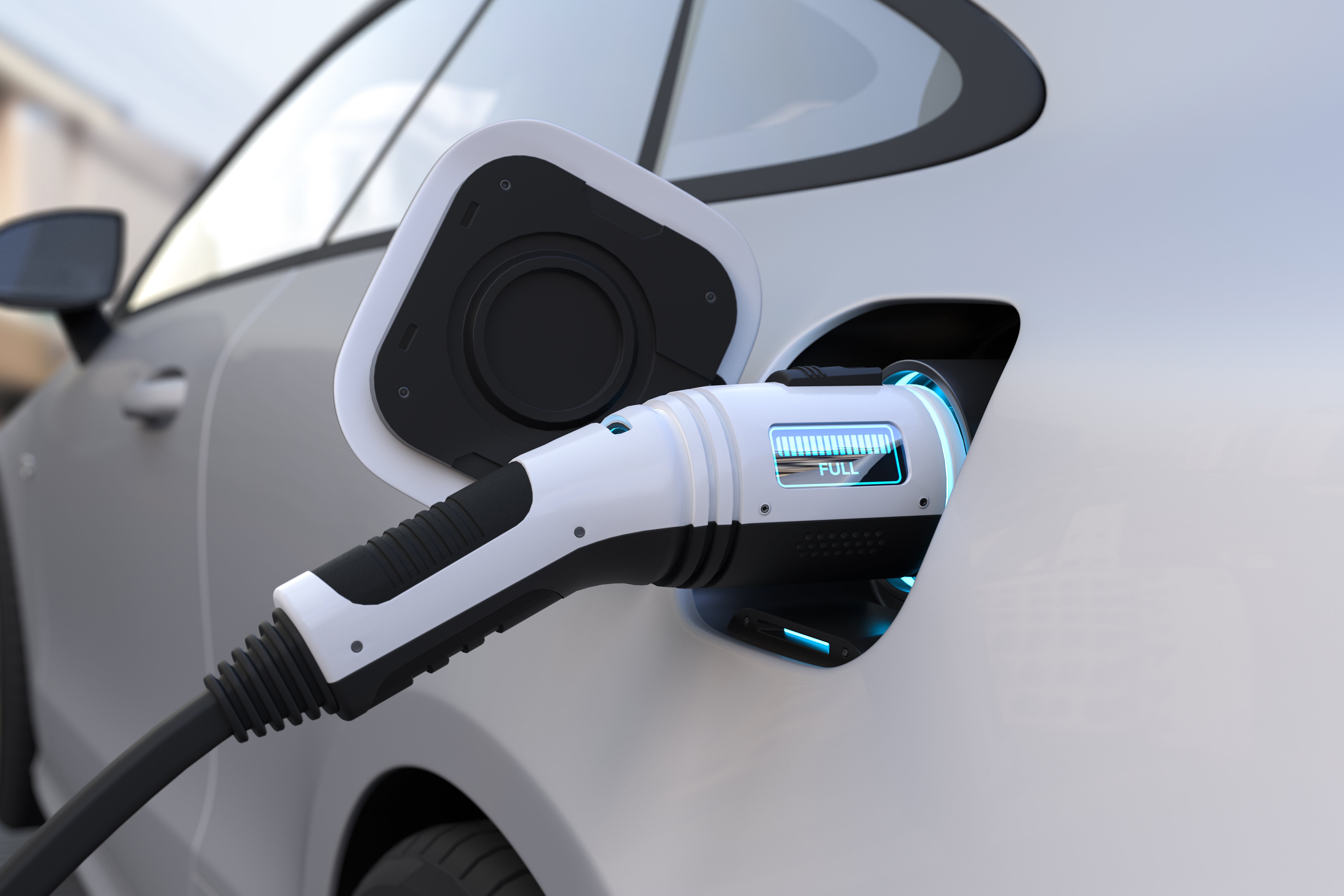
Patrick Narbel, Chief Technology Officer at GoSolr, illustrates the scale of the challenge: a single home charger draws electricity equivalent to 11 swimming pool pumps. This demand profile raises legitimate concerns about system capacity should EV uptake accelerate rapidly. Voltage fluctuations and power interruptions not only drive up operational expenses but also degrade battery performance over time, reinforcing the range anxiety that keeps buyers hesitant.
Yet there are signs of progress. The Energy Action Plan has stimulated new generation capacity and accelerated renewable energy projects, with rooftop solar installations more than doubling. Industry observers suggest EVs need not be viewed as a burden on the grid but rather as a distributed storage solution that could enhance system resilience when managed effectively.
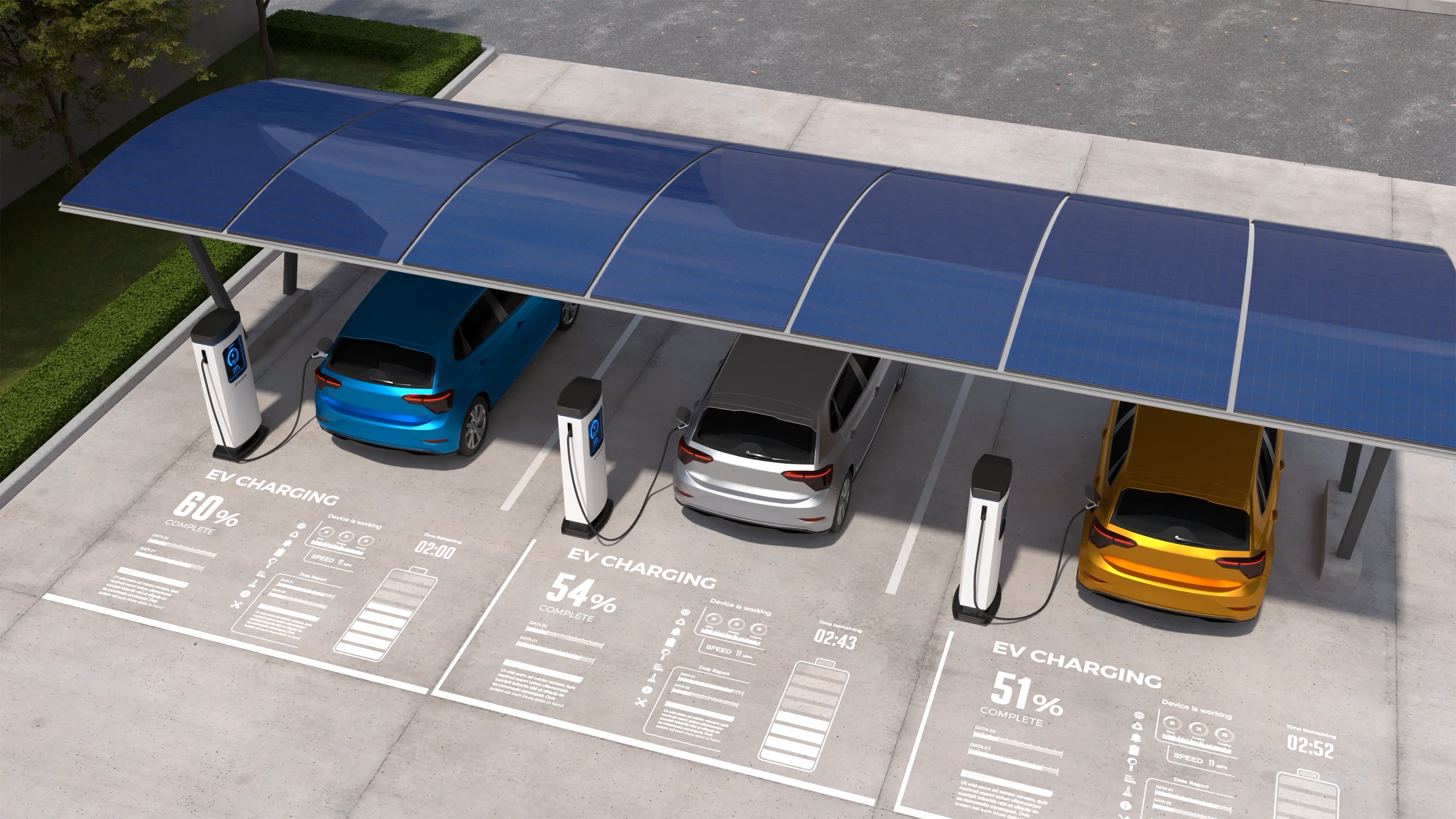
South Africa's charging infrastructure tells a story of modest beginnings falling far short of requirements. Fewer than five hundred public charging stations operate nationwide, concentrated heavily in metropolitan areas.
You are just one click away from finding the very best finance deal for your new car
By comparison, the Netherlands maintains over one hundred thousand stations across a territory substantially smaller. A government-backed initiative announced in August 2023 to deploy more than 100 new stations remains unrealised two years later, with the National Automobile Association indicating completion could stretch to five or seven years.
Private operators are pushing forward regardless. Zero Carbon Charge continues developing off-grid solar charging networks but reports administrative delays exceeding one thousand days, citing bureaucratic inertia as a major constraint. The policy environment offers little clarity.
A draft EV White Paper promising tax incentives and manufacturing support remains unratified, creating uncertainty that discourages investment. Liesl De Wet, chairperson of the Green Transport Panel, warned recently that inaction represents the most significant risk strategy available.
The economic stakes are substantial. South Africa's automotive sector relies heavily on European exports, where internal combustion engine bans are approaching. Failure to transition manufacturing quickly could close critical export markets.
Research indicates EV adoption might reduce employment in component manufacturing by over 18% without strategic intervention. However, localising a quarter of battery production could reverse this trend, potentially increasing employment by nearly seven percent. The country's platinum group metals and manganese reserves position it advantageously for battery supply chain development, though realising this potential demands decisive policy action and skills investment.
Affordability presents another dimension. Without subsidies, EV prices will restrict uptake to higher-income households. Fleet electrification, particularly in delivery and public transport, offers a pathway to early emissions reductions and lower fuel import costs while ensuring a more equitable transition.
Starting or running a small business and in need of a bakkie – click here
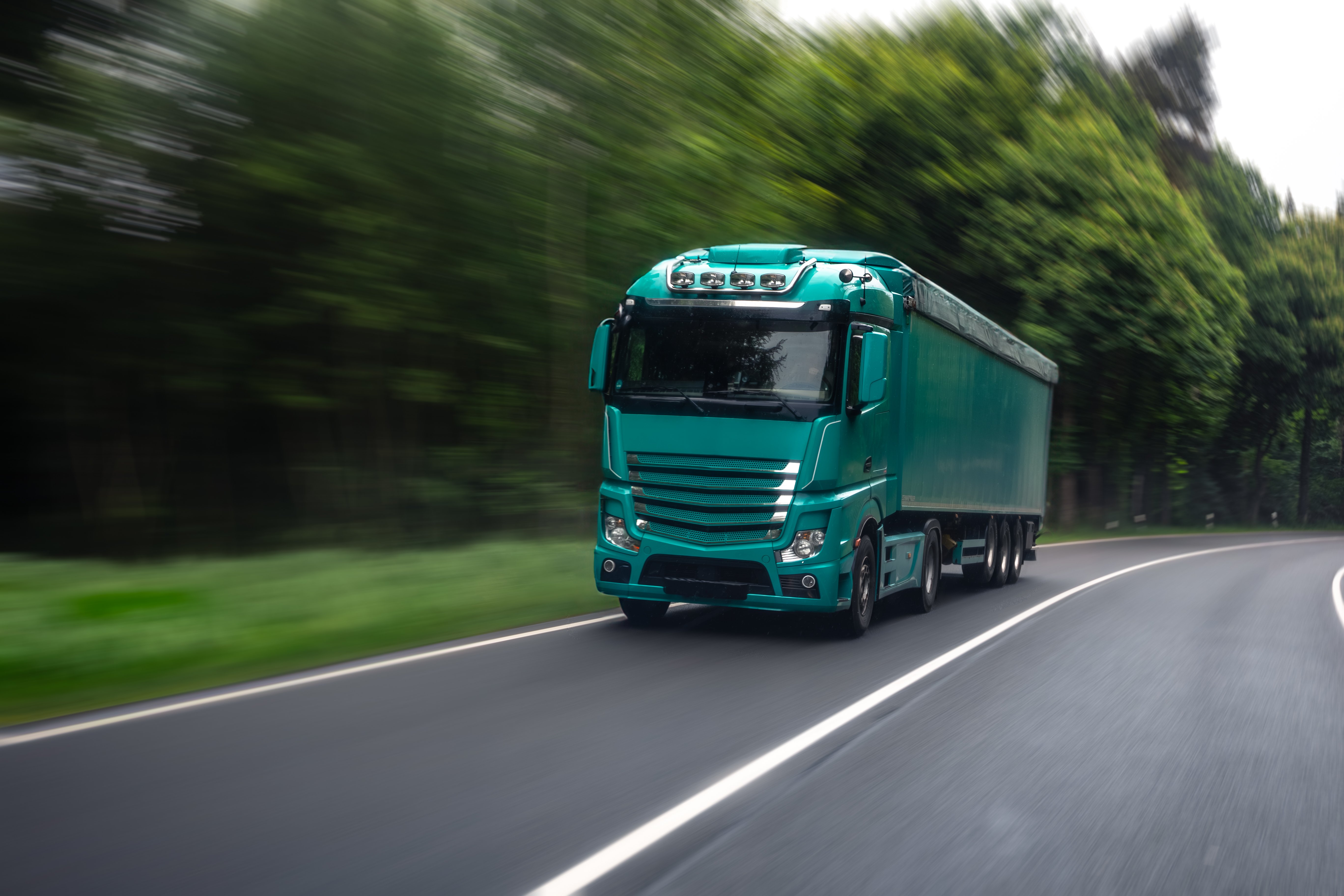
Commercial adoption is gathering pace, with zero-emission technology already established in short and medium-haul delivery applications. Industry experts project long-haul electric trucks could enter the South African market within approximately five years.
Achieving this timeline requires completing Energy Action Plan measures for grid reliability, expanding battery storage and gas capacity, implementing modernised wheeling frameworks for private renewables, and delivering consistent policy direction.
The distinction between a world-class transport system and a missed opportunity will be determined by the nation's ability to maintain electricity supply and policy coherence.
Colin Windell for Colin-on-Cars in association with
proudly ALL THINGS MOTORING

