


While the surge of affordable, feature-rich Asian imports has generated significant attention, the reality of South Africa's new vehicle market is more nuanced than a simple narrative of market takeover.
The domestic automotive sector recorded its strongest June performance in nearly two decades, with 54 482 new vehicles sold—a 15,3% year-on-year increase. This growth comes despite a challenging economic environment marked by high interest rates and inflationary pressures.
Brandon Cohen, Chairperson of the National Automobile Dealers' Association (NADA), said the figures point to a fundamental shift in consumer psychology rather than a simple flight to cheaper models. He noted that stability in the domestic political landscape and measures mitigating the impact of global oil price volatility have played a role in encouraging consumer spending.

For the very best selection of demo and pre-owned cars, bakkies and bikes click here
The sales data confirms traditional market leaders are still firmly entrenched at the top of the charts. Toyota kept its dominant position with 12 417 sales in June. Suzuki (5 689 units) and the Volkswagen Group (5 613 units) were locked in a close contest for second place, with Hyundai and Ford rounding out the top five.
"The growth we are seeing is across the board - from passenger cars to light commercial vehicles, heavy trucks, and buses," Cohen says.
This view is supported by independent data. According to TransUnion's Q1 2026 Mobility Insights Report, Chinese brands have grown their combined market share to more than 19% of new passenger and light commercial vehicle sales. However, legacy brands have maintained their sales volumes, suggesting the market is expanding rather than being entirely redistributed.
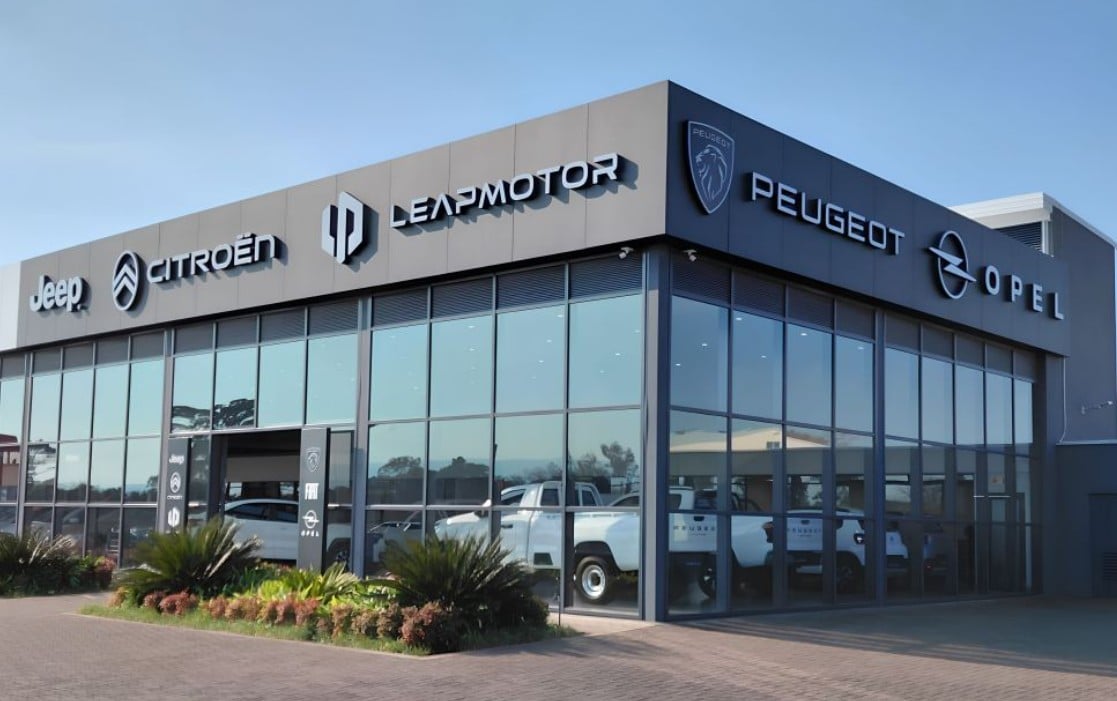
The influx of latest brands and the rise of multi-franchise dealership models are reshaping the retail environment. Cohen dismissed concerns that these trends would lead to job losses or the collapse of traditional showrooms, describing the current period as one of evolution rather than elimination.
"Sharing real estate and overhead costs optimises dealership functionality," Cohen says. He noted because the most active segment of the market is for vehicles priced under R400 000, these diversified showrooms are experiencing high consumer traffic, creating sales opportunities for staff.
Looking for a safe car for a student then click here
However, he cautioned portfolio diversification requires careful risk assessment. "A dealership cannot survive on the margin of a new-car invoice alone," he warns, emphasising long-term sustainability depends on the entire ecosystem, including after-sales service, parts supply, and technical training.
The influx of competitively priced new vehicles is also having a notable effect on the used car market. Cohen said the pre-owned sector is undergoing a broad repricing, particularly for vehicles in the R350 000 to R500 000 bracket, as dealers compete with new cars that come with full warranties.
Ayesha Hatea, Director of Research and Consulting at TransUnion South Africa, echoed this in the company's quarterly report, noting "affordability is no longer only about the purchase price," with consumers increasingly factoring in fuel, financing, insurance and servicing costs. The report also highlighted residual values are becoming a more important consideration as financing terms extend beyond six years.
Cohen concluded the influx of new entrants has not been a revolution but an evolution. "With the track getting wider, the biggest winner is ultimately the South African consumer, who is spoilt for choice."
This view is shared by industry observers. According to NADA, the market is on track for an upper single-digit to lower double-digit improvement in full-year sales for 2026.
Colin Windell for Colin-on-Cars in association with
proudly ALL THINGS MOTORING

