

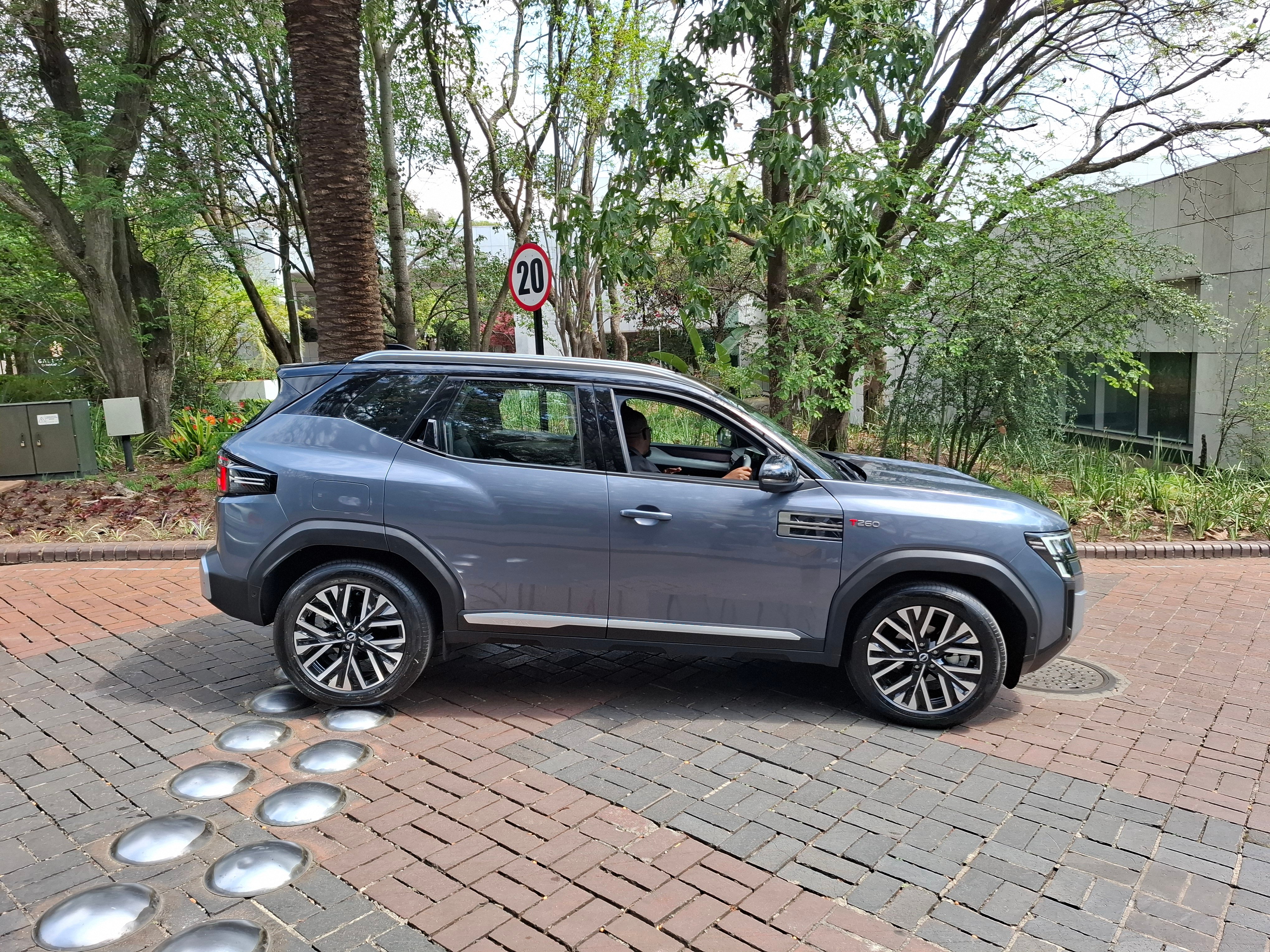
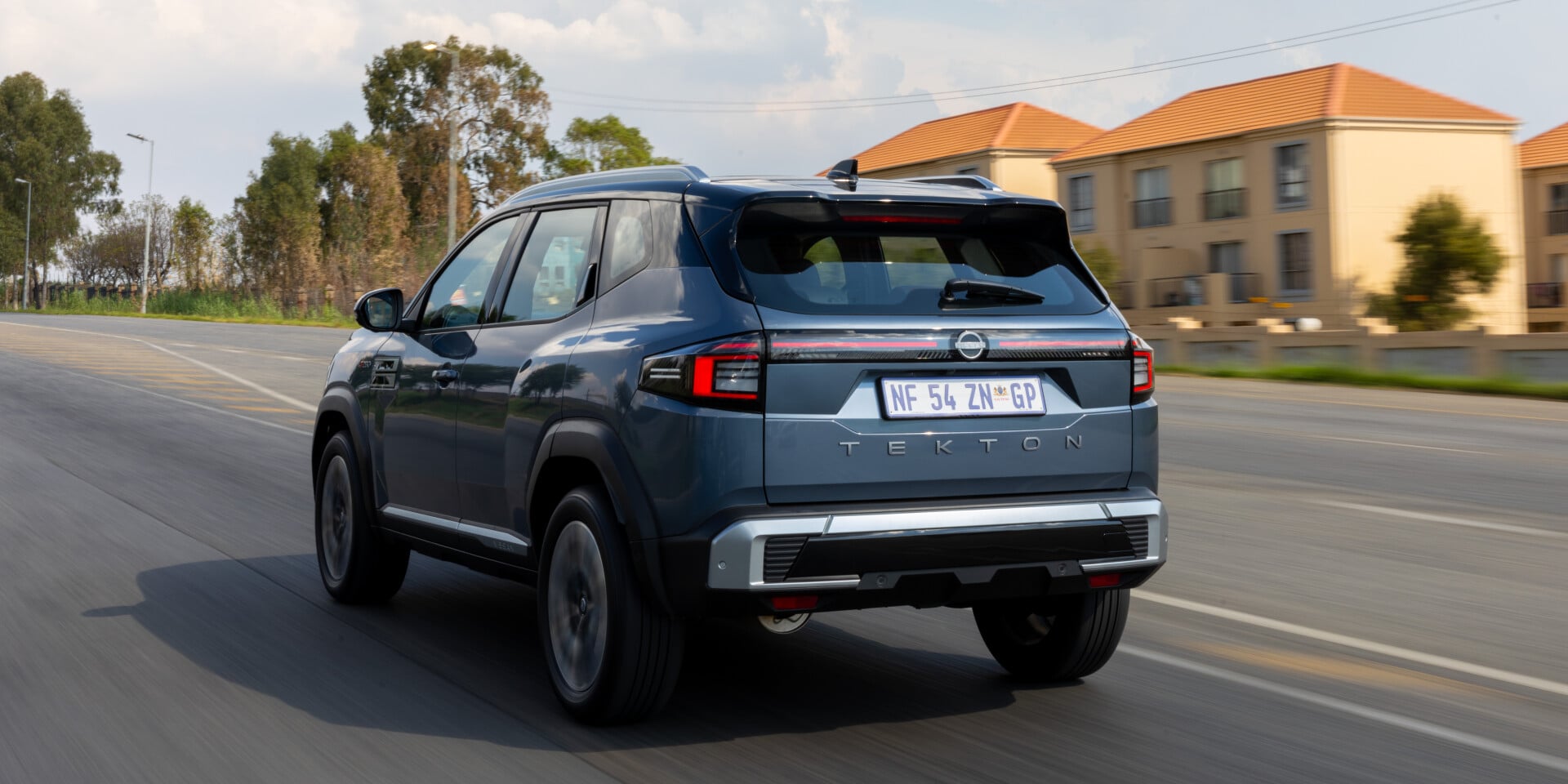
Nissan has introduced the all-new Tekton to the South African market, positioning the compact SUV as a central element of its renewed focus on the African continent. The Tekton enters a competitive compact SUV segment and draws styling cues from the flagship Patrol. It is manufactured in Chennai, India, at a plant that serves as an export hub for 50 markets across the Middle East and Africa. The vehicle is aimed at young families moving into their first larger vehicle, according to Rami Mohareb, head of brand and communications for Nissan Africa.
Jordi Vila, president of Nissan Africa, used the launch to outline the company's global direction under its long-term strategic plan, now in its final year of execution. He said the plan remains on track, delivering a competitive cost base and improved capacity utilisation. Nissan returned to positive operating profit in the 2025 fiscal year, with first-quarter operating profit rising to nearly 18-billion Japanese yen, or 2,6 %. Net profit was positive but modest. Vila said this recovery allows Nissan to invest more of its turnover into capital expenditure, new models and manufacturing.
Vila confirmed while Nissan had stopped manufacturing activity in South Africa, a decision that formed part of efforts to maximise capacity at other plants and improve competitiveness. He said the company has simplified parts complexity while increasing the number of new models in its pipeline, and has reduced engineering timelines for new vehicle families to as little as 37 months, compared with four or five years previously. This acceleration, he noted, must be achieved without compromising the attributes that distinguish Nissan products from faster-moving competitors, including quality and durability.
All the Nissan models you could possibley want right here - just click
At the centre of Nissan's long-term direction is a customer-centric vision the company calls ‘Mobility Intelligence for Everyday Life’. Vila explained this vision is designed to build sustainable competitive advantage through next-generation technologies, a streamlined product portfolio, a redefined global market approach and an industrial model organised around clearly defined vehicle families. The philosophy represents a shift away from a broad, sometimes fragmented global line-up towards a more disciplined structure in which each model family has a clear role in a specific market context.
The product strategy rests on four pillars. The first covers core models with proven track records, such as the Navara, Magnite, X-Trail and Sunny. These are the vehicles that cement Nissan's presence in markets where it already competes. The second involves new growth models, including the Tekton, developed for high-potential segments. The third relies on partnerships, including work with Renault on certain platforms and the use of Nissan's joint venture in China to develop vehicles.
Your dream car – make it happen with the best finance deal
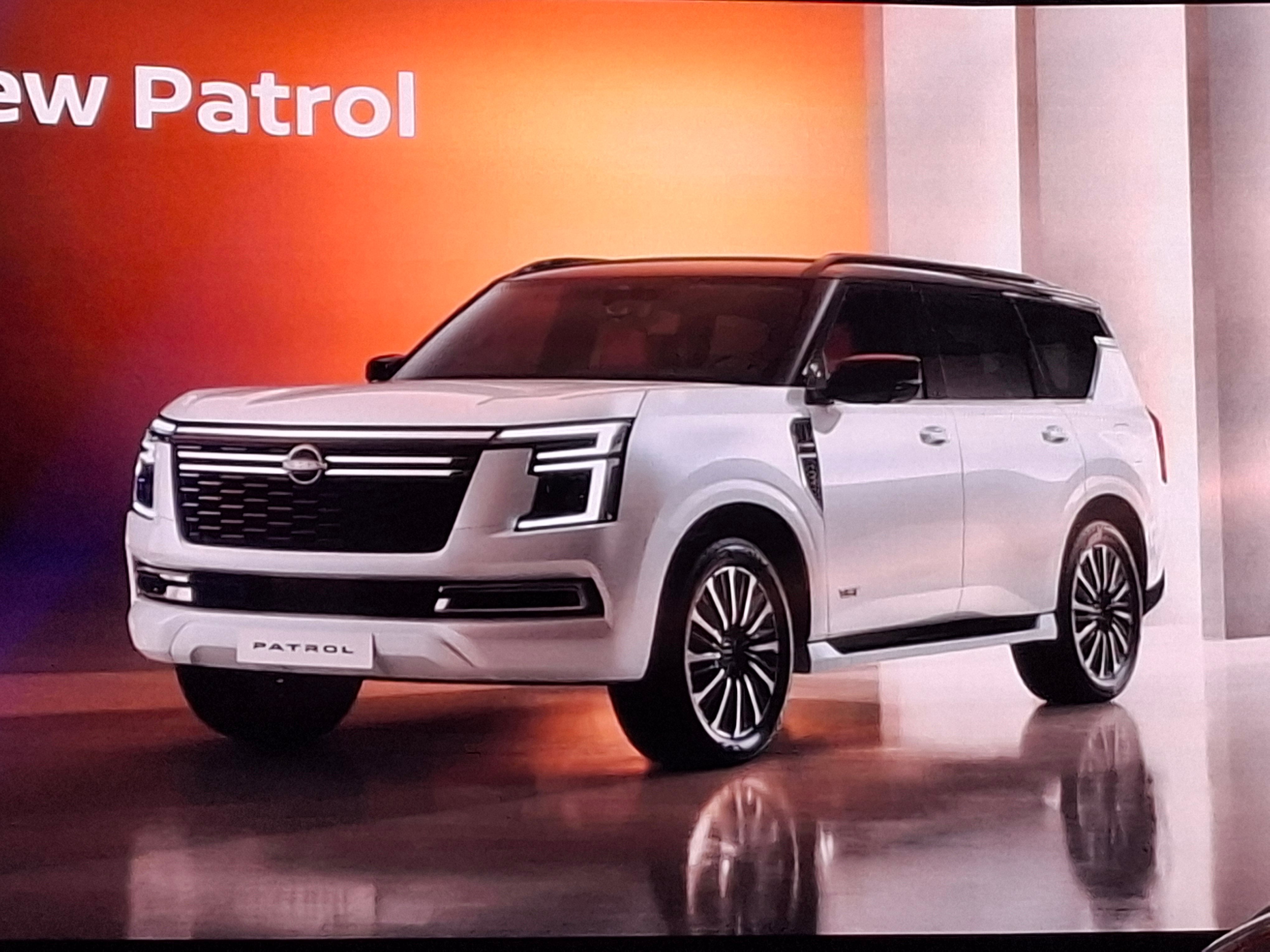
Vila stressed vehicles developed in China remain Nissan products in design, specification, durability and standards, with final sign-off controlled by Nissan in every aspect. The fourth pillar covers heritage models such as the Patrol, Z and GT-R, which maintain an emotional connection with the brand. Vila said this emotional dimension cannot be replaced by rational arguments alone, and that Nissan intends to keep fostering these iconic nameplates even where they do not generate the highest volumes.
Nissan's Africa strategy is based on demographic and market data. By 2050, Africa's population is expected to exceed 2,5-billion, with 60% already under the age of 25.
Motorisation rates across the continent sit at about 45 vehicles per 1 000 inhabitants, compared with 200 globally and more than 700 in the United States. Vila said these figures point to long-term growth potential, although progress will differ by country. He described Africa as the world's last automotive frontier and South Africa as a critical gateway to unlocking what he called the African Century.
Mohamed Samad, managing director of Nissan Africa, said the continent's automotive growth will be driven by the SUV segment. He described the Tekton launch as a milestone in the evolution of Nissan's regional strategy, which aims to bring globally relevant products to African customers supported by market insight, a trusted dealer network and a commitment to long-term value. He said the focus is to compete with purpose, earn customer confidence daily and build a Nissan brand ready for Africa's future.
Samad outlined four regional pillars: product, customer experience, network and partnerships. On product, he said Nissan has more than 14 models across Africa, covering sedans, SUVs and light commercial vehicles. The line-up includes the Sunny and Sentra sedans, the Magnite, Tekton, Qashqai, X-Trail and Terra SUVs, and the Patrol, as well as the Navara single and double cab, the NP200 and the M400.
He said the SUV range will continue to expand. The Tekton will be rolled out across Africa after its South African launch, although specific markets were not disclosed. South Africa is one of the first markets globally to receive the Tekton, which Samad said reflects the country's importance as Nissan's largest African market by volume.
Good insurance is vital – click here to find out more
On customer experience, Samad said Nissan is moving towards digitalisation across all touchpoints, with a pilot programme due to launch in one African market before being extended across the continent. This includes standardised websites, e-commerce for parts and vehicles, and a digital showroom that reduces paperwork. He noted changing customer expectations, particularly among younger buyers, require a different approach to the customer life cycle.
On network, Samad said Nissan operates in 48 African markets, with three more expected to come into operation soon. The company has more than 248 showrooms, 271 service locations, 550 sales consultants and 1 300 service staff across the continent. He noted that Nissan has had a presence in Africa for 65 years.
The Tekton carries a Patrol-inspired design with a squared-off bonnet, sculpted lines, muscular arches and a full-width chrome-accented grille. It features C-shaped LED connecting headlamps with daytime running lights and SynchroFlow C-shaped connected LED tail lamps. All models have LED lights front and rear. Ground clearance is 212 mm, with a choice of 17-inch or 18-inch wheels.
Powertrains are turbo-petrol only. A 1,0-litre three-cylinder turbo engine paired with a six-speed manual transmission produces 74 kW and 160 Nm of torque. A 1,3-litre four-cylinder turbo engine delivers 120 kW and 260 Nm to the front wheels through a dual-clutch transmission.
Can I afford it – find out with this handy Finance Calculator
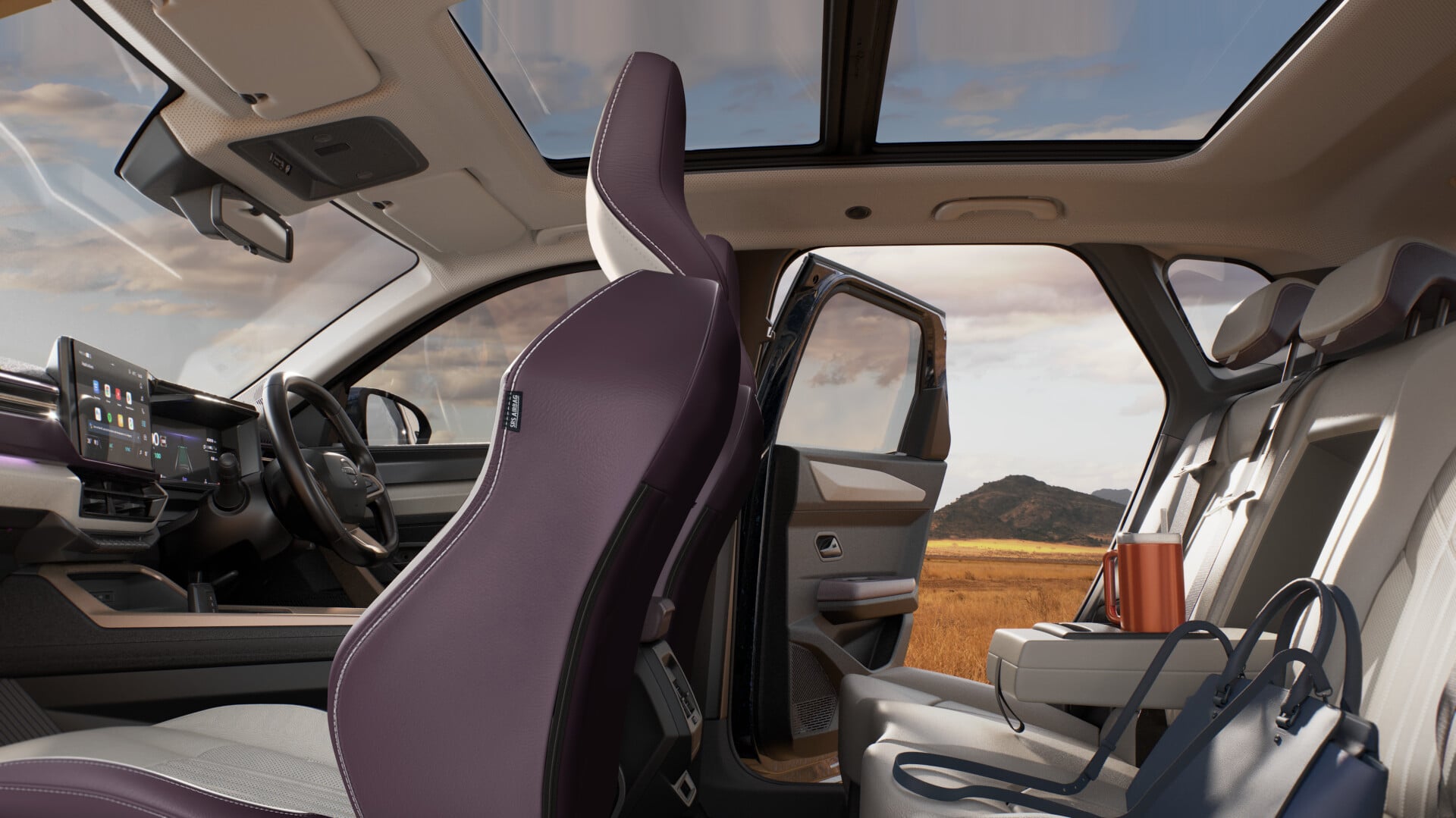
The cabin offers a 700-litre luggage compartment, expanding to 1 789 litres with the rear seats folded. All models feature a 10,1-inch touchscreen infotainment system with wireless Apple CarPlay and Android Auto, a fully digital instrument cluster and an electronic shifter with paddle shifters. Higher grades add dual-zone climate control, wireless smartphone charging, push-button start, ventilated front seats, leatherette upholstery, a powered driver's seat and a two-tone exterior paint scheme. The flagship model includes a powered tailgate.
Safety equipment across the range includes six crash bags, electronic stability control, anti-lock braking with all-round disc brakes, hill-start assist, rear parking sensors, a reversing camera and tyre-pressure monitoring. Higher trim levels add a multi-view camera, rain-sensing wipers and driver assistance systems including lane keep assist, blind spot monitoring, traffic sign recognition, front collision warning with autonomous emergency braking and intelligent adaptive cruise control.
Five models are available immediately. The Tekton 1.0 Visia manual is priced at R339 999. The 1.3 Visia DCT costs R399 999, the 1.3 Acenta DCT R459 999, the 1.3 Tekna DCT R499 999 and the 1.3 Tekna+ DCT R529 999. All models come with a mechanical warranty and roadside assistance valid for 150 000 km or six years, and a service plan for 60 000 km or two years. Colour options include Pearl White, Red, Silver, Blue and Moonbow Grey, with two-tone finishes available on Tekna and Tekna+ models.
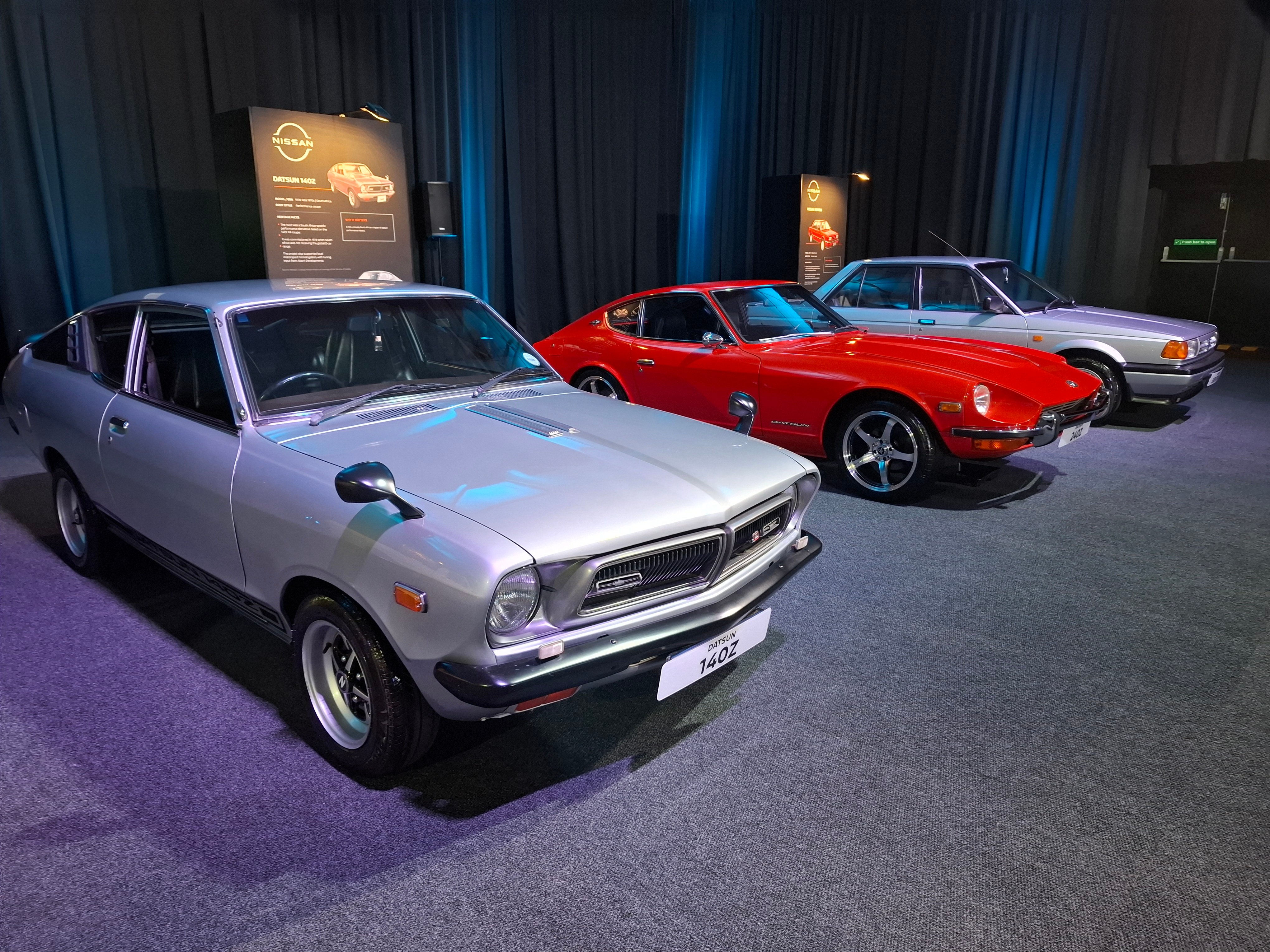
Some of Nissan's South African heritage
Juan Wheeler, managing director of Nissan South Africa, said the Tekton launch comes at a defining moment for the local business. He noted that Nissan has been part of South African daily life for 65 years and said the company has a responsibility to introduce models that speak to the real needs of the market. He described the brand's local story as one built on trust, resilience, people and products that have moved generations.
Nissan will launch a range of new models in South Africa this year. To date it has introduced the new X-Trail. The upgraded Navara and the eighth generation of the Patrol are scheduled for this fiscal year, along with a special-edition X-Trail. Further product launches are planned for the 2027 fiscal year.
Colin Windell for Colin-on-Cars in association with
proudly ALL THINGS MOTORING

